We had a busy and inspiring couple of days, meeting new people, reconnecting with members of the Innovative Farmers network, and having valuable discussions around farmer-led research, collaboration and innovation. If you didn’t make it this year, here are some of our highlights…
Firstly was the session on the tall grass grazing field lab: tall grass grazing is rotational grazing that involves long rest periods, allowing grasses to grow taller with more developed root systems.
The speakers included Tom Gregory, Dan Gammon and Matt Senior: three of the five farmers who have been trialling tall grass grazing as part of the field lab. Chaired by the coordinator Kate Still, with input from the researcher Rob Purdew from Farm Carbon Toolkit, the group explained the concept, practicalities and benefits / disadvantages of the practice from a variety of different perspectives. The aim of the trial was to see if you can regenerate soils through grazing management in dairy systems. The group described the importance of adapting grazing management to optimise the soil health benefits and pasture resilience without compromising forage quality or milk yield.
Watch the recording of the session here: Regenerative Grazing Working for Dairy - Groundswell 2026
And you can read more about it in a recent Farmers Weekly article Are longer rest periods feasible in grazing dairy herds? - Farmers Weekly
Another highlight for us was the Pasture for Life session, "One Bale at a Time: Bale Grazing, Economics and Soil Change", which focused on the IF bale grazing field lab.
The field lab is exploring bale grazing as a method for overwintering cattle, with participating farmers collecting data on soil health, forage quality and quantity, animal performance and economic outcomes.
The session featured trial farmers Claire Beaumont, Ian Steele, Tom Burge and Tristan Leslie, who shared their experiences of implementing the practice on their farms. A key theme throughout the discussion was the potential for bale grazing to reduce costs while improving soil and grassland condition. Farmers reported seeing encouraging changes across their grazing systems, including increased grassland diversity and improvements in soil structure.
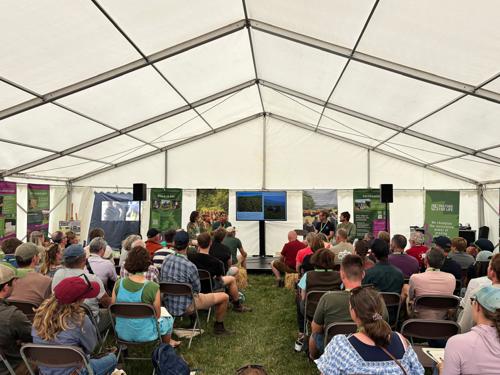
Finally, Groundswell gave us the opportunity to bring members of our Trees for Livestock Health and Non-Chemical Bracken Management Learning Networks together in person. These sessions gave members the chance to connect, share experiences from their farms and discuss priorities for the networks over the coming months.
Thanks to everyone who stopped by, attended our sessions and shared their thoughts, questions and experiences. Groundswell is always a great opportunity to connect with farmers and partners, and we're grateful to everyone who contributed to the conversations. We would love to hear your ideas for what you would like to see at future Groundswell sessions, from discussion groups and workshops to training sessions. Get in touch at info@innovativefarmers.org to share your suggestions.